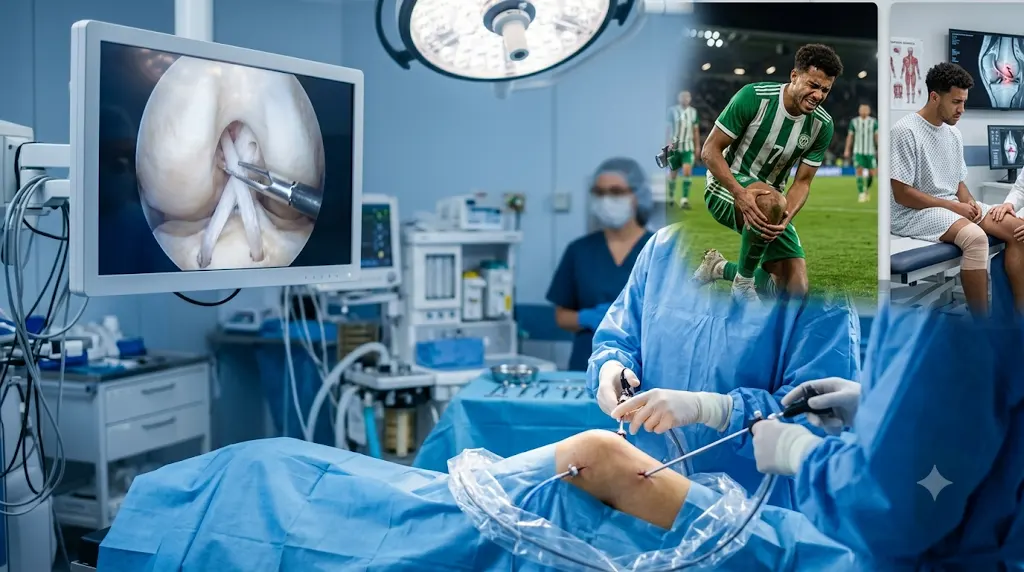
Sports injuries can happen to anyone—from professional athletes and competitive sportspersons across Kerala to people who run, work out at the gym, play football or cricket, or participate in recreational activities.
A sports injury does not always require surgery. However, injuries involving important ligaments, tendons, cartilage or joints may require specialist assessment and, in selected cases, sports surgery to restore stability and function.
Early and accurate diagnosis is an important part of achieving a safe return to activity.
What Are Sports Injuries?
Sports injuries are injuries affecting the muscles, bones, joints, ligaments and tendons during sporting or physical activities.
They may occur because of:
-
Sudden twisting or impact
-
Falls or collisions
-
Repetitive stress
-
Overtraining
-
Poor technique
-
Inadequate conditioning
-
Previous injuries
-
Sudden increases in training intensity
Some injuries cause immediate pain and swelling, while others develop gradually with repetitive activity.
Common sports injuries include:
-
ACL injuries and knee ligament tears
-
Meniscus tears
-
Shoulder dislocation and instability
-
Rotator cuff tears
-
Shoulder labral injuries
-
Ankle ligament injuries
-
Achilles tendon injuries
-
Patellar tendon injuries
-
Cartilage injuries
-
Muscle and tendon injuries
-
Sports-related fractures and dislocations
-
Stress injuries and stress fractures
When Should You See a Sports Injury Specialist?
Not every sports injury requires a specialist or surgery. However, certain symptoms should prompt an orthopaedic assessment with a local joint specialist.
You should consider medical evaluation if you experience:
-
Persistent pain after an injury
-
Significant swelling
-
Repeated knee or shoulder instability
-
A joint that repeatedly gives way
-
Locking or catching of the knee
-
Recurrent shoulder dislocation
-
Difficulty bearing weight
-
Loss of joint movement
-
Persistent symptoms despite physiotherapy
-
Inability to return to your usual sport or exercise
A proper clinical examination is often the first step. Depending on the suspected injury, X-rays, ultrasound or MRI may be recommended.
Does Every Sports Injury Need Surgery?
No.
Many sports injuries improve with appropriate non-surgical treatment.
Treatment may include:
-
Activity modification
-
Physiotherapy
-
Strengthening exercises
-
Flexibility and mobility training
-
Medication when appropriate
-
Gradual return-to-sport programmes
-
Bracing or other supportive measures
Surgery is considered when there is significant structural damage, persistent instability, mechanical symptoms, failure of appropriate conservative treatment, or when surgical treatment is appropriate for the patient's activity requirements.
The decision should always be individualised.
What Is Sports Surgery?
Sports surgery is a specialised area of orthopaedic surgery focused on injuries affecting athletes and physically active individuals.
Many sports procedures can be performed using arthroscopic or minimally invasive techniques. Arthroscopy allows the surgeon to examine the inside of a joint using a small camera and, when appropriate, treat the underlying problem through small incisions.
ACL Reconstruction
The anterior cruciate ligament (ACL) is one of the major stabilising ligaments of the knee.
ACL injuries commonly occur during sports involving:
-
Sudden changes of direction
-
Pivoting
-
Jumping and landing
-
Rapid deceleration
Patients with ACL injuries may experience instability or a feeling that the knee is giving way.
Depending on the patient's age, activity level, associated injuries and functional requirements, ACL reconstruction may be recommended.
Treatment may also involve addressing associated meniscal or cartilage injuries.
Meniscus Injuries
The menisci are important structures that help distribute load and contribute to knee stability.
Meniscal tears can occur during twisting injuries or may develop gradually.
Depending on the type, location and extent of the tear, treatment may involve rehabilitation, meniscal repair or selective removal of damaged tissue.
Whenever appropriate, meniscal preservation and repair are important considerations, particularly in younger and active patients.
Shoulder Dislocation and Instability
Shoulder instability is common in athletes involved in contact sports and activities requiring repetitive overhead movements.
Repeated dislocation can damage structures that contribute to shoulder stability.
For selected patients, arthroscopic shoulder stabilisation may be considered to address the underlying pathology and improve stability.
Rotator Cuff and Labral Injuries
The rotator cuff is a group of tendons that helps stabilise and move the shoulder.
Rotator cuff injuries can cause:
-
Shoulder pain
-
Weakness
-
Difficulty lifting the arm
-
Pain during overhead activities
-
Night pain
Labral injuries can also cause pain, clicking, catching or instability.
Treatment depends on the patient's age, activity level, type of injury and functional requirements.
Why Is a Sports Surgeon Important?
Sports injury management involves more than simply treating pain.
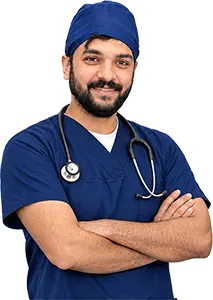
A sports surgeon like Dr. Ashwin Roby is trained to evaluate musculoskeletal injuries with particular attention to joint stability, function, sporting demands and return to activity.
A sports surgeon can help with:
-
Accurate Diagnosis Understanding the mechanism of injury and performing a focused clinical examination are essential for identifying the injured structures.
-
Appropriate Treatment Planning Not every ligament tear or tendon injury requires an operation. A sports surgeon can discuss both surgical and non-surgical treatment options when appropriate.
-
Arthroscopic and Minimally Invasive Surgery Many knee and shoulder conditions can be treated using arthroscopic techniques when indicated.
-
Treatment of Associated Injuries Sports injuries may involve multiple structures. For example, an ACL injury may occur together with a meniscus or cartilage injury. Identifying and treating these associated injuries can be important for overall recovery.
-
Rehabilitation and Return to Sport Surgery is only one part of treatment. A structured rehabilitation programme is essential for restoring:
-
Joint movement
-
Muscle strength
-
Balance
-
Coordination
-
Proprioception
-
Sport-specific function
Rehabilitation After Sports Surgery
A successful operation does not automatically mean that an athlete is ready to return to sport.
Rehabilitation usually progresses through different stages, depending on the procedure and the individual patient.
The rehabilitation programme may include:
Early recovery: Controlling pain and swelling and restoring safe joint movement. Strengthening: Gradually restoring muscle strength and endurance. Functional training: Developing balance, coordination and movement control. Sport-specific training: Gradually introducing running, jumping, cutting, throwing or other activities required for the particular sport. Return to sport: Returning to competition only when appropriate clinical and functional milestones have been achieved.
The timeline varies according to the injury, surgery and individual recovery.
Prevention of Sports Injuries
Although not every injury can be prevented, appropriate preparation can reduce the risk of some sports injuries.
Important measures include:
-
Proper warm-up before exercise
-
Regular strength training
-
Flexibility and mobility exercises
-
Sport-specific conditioning
-
Correct technique
-
Appropriate footwear and equipment
-
Gradual progression of training intensity
-
Adequate recovery between training sessions
-
Addressing previous injuries appropriately
Sports Injury Treatment in Kollam
For patients looking for a sports surgeon in Kollam, evaluation should focus on accurate diagnosis, appropriate treatment selection and a structured pathway back to activity.
Sports injuries may involve the knee, shoulder, ankle, hip, elbow or other parts of the musculoskeletal system. Treatment can range from rehabilitation and activity modification to arthroscopic or reconstructive surgery when indicated.
Patients from Kollam and surrounding areas of Kerala can seek specialist assessment at our orthopaedic clinic for persistent sports-related pain, instability, ligament injuries, meniscal injuries, shoulder problems and other musculoskeletal sports injuries.
Frequently Asked Questions
Do I need surgery for an ACL tear? Not every ACL tear requires reconstruction. The decision depends on factors including knee stability, activity level, associated injuries, symptoms and the patient's functional goals.
Can a meniscus tear heal without surgery? Some meniscal tears can be managed without surgery, while others may benefit from repair or other surgical treatment. The location and type of tear are important factors.
Is arthroscopic surgery minimally invasive? Arthroscopy uses small incisions through which a camera and specialised instruments are introduced into the joint. It can allow many procedures to be performed with less disruption to surrounding tissues than conventional open surgery, although the extent of surgery and recovery varies by procedure.
How soon can I return to sports after surgery? There is no single timeline for all sports procedures. Return to sport depends on the type of injury and surgery, healing, strength, movement, functional testing and the requirements of the sport.
Should I see a sports surgeon even if my injury is not severe? If symptoms are persistent, recurrent or preventing you from returning to your normal activity, a specialist assessment can help establish the diagnosis and appropriate treatment options.
Conclusion
Sports injuries can significantly affect an individual's ability to work, exercise and participate in the activities they enjoy.
The appropriate treatment depends on the injury, the individual patient and their functional requirements. While many injuries can be successfully managed without surgery, selected ligament, meniscus, tendon, cartilage and instability injuries may require surgical treatment.
The goal of sports injury treatment is not simply to treat the injury—it is to restore function, reduce the risk of recurrent problems and help the patient return safely to an active lifestyle.
If you have a persistent sports-related injury, an assessment by an orthopaedic sports surgeon can help determine the diagnosis and discuss the appropriate treatment options. To get back in the game safely, schedule a consultation with Dr. Ashwin Roby at Dr. K Damodaran Memorial Hospital in Kollam today.